A Plant Growing In The Himalayas Has The Ability To Improve Your Respiratory And Digestive Systems

The Mountain Mystery Hidden In The Clouds
High above the chaotic sprawl of modern cities, in the rugged peaks of northwestern India and the western Himalayas up to eight thousand feet, lies an extraordinary botanical wonder that almost nobody has ever heard of. For generations, travellers walked beneath its 40-foot canopy completely blind to the explosive therapeutic secret dangling from its branches. Known scientifically as Pistacia integerrima and historically classified as Karkatshringi or Kakadshingi, this tree carries what looks like twisted, sinister horns growing right out of its leaves. While standard pharmacy aisles push synthetic concoctions, ancient scrolls preserved this mountain phenomenon as a supreme shield against deep physical misery.
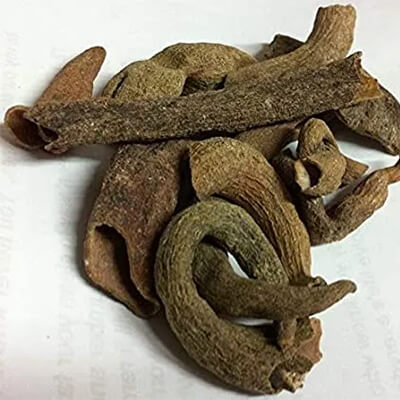
The Strange Alchemy Of Insect And Leaf
To understand the jaw-dropping nature of this remedy, you must understand how it is born. These strange horn-shaped structures are not standard seed pods, nor are they ordinary fruit. Instead, they are biological galls—a bizarre structural mutation triggered when a tiny insect injects itself into the living foliage. The tree forms a hollow, horn-like chamber around the insect to defend itself. When snapped open, the interior reveals a hollow cavity lined with a fine, web-like residue left behind by the organism. It is a rare, almost alien biological alliance where plant immunity and insect interaction synthesize a dark therapeutic compound unmatched in modern botany.
The Ancient Classification That Shocked Scholars
Centuries before laboratory microscopes existed, legendary Ayurvedic master Acharya Charak placed this peculiar horn inside an elite category of medicinal treasures known as Kasahara and Hikkānigrahana. These Sanskrit classifications were reserved exclusively for treatments capable of halting violent coughing spasms and paralyzing uncontrollable hiccuping attacks. Ancient forest healers recognized that this bitter, astringent substance possessed unique warming energy that systematically sweeps through internal channels, pacifying rebellious respiratory blockages and balancing metabolic chaos when nothing else could break the fever.
The Respiratory Fortress Melting Deep Chest Mucus

When severe respiratory ailments strike, lungs fill with dense, suffocating mucus, turning every single breath into an agonizing struggle. While modern syrup formulas merely drug the brain into temporary submission, Kakadshingi behaves like a biological scraper across congested airways. As an extraordinary natural expectorant, it breaks down stubborn phlegm lodged deep inside the bronchial pathways while simultaneously coating inflamed mucosal linings to prevent new mucus deposits from taking hold. The result is rapid, clean respiratory clearance that stops dry, hacking coughs dead in their tracks.
Silencing Violent Hiccups And Spasmodic Airway Seizures
Few physical afflictions are as exhausting or deeply destabilizing as recurring hiccups and severe asthma spasms that leave sufferers gasping for air. These violent diaphragm contractions exhaust the torso and strain the heart. Master herbalists relied on the drying, warming potency of this Himalayan gall to pacify hyperactive nerves running through the diaphragm. Consuming merely one to three grams of the ground powder relaxes erratic muscle contractions, opening tight bronchial passages and calming frantic breathing rhythms without triggering sedative lethargy or chemical dependency.
The Ancient Tooth Rinse Halting Bleeding Gums
The healing power of this twisted horn extends straight into the oral cavity. For individuals suffering from spongy, painful gums that bleed profusely upon the slightest touch, commercial chemical rinses often cause stinging chemical burns. Ancient practitioners solved this with an intensive oral procedure called Gandusha. By boiling the dried galls into a rich, dark decoction, sufferers hold the warm astringent liquid inside their mouths for several minutes. The dense natural tannins and essential oils constrict dilated blood vessels, kill oral bacteria, tighten receding gums, and immediately stem bleeding.
The Anti-Fungal Powder That Rapidly Seals Raw Wounds

When severe physical injuries occur on rugged mountain paths, modern sterile dressings and synthetic antibiotic ointments are nowhere to be found. Mountain communities relied on a raw survival trick: pulverizing dried Kakadshingi horns on smooth river stones and sprinkling the dry amber powder straight over weeping, open wounds. The plant compounds act as an immediate astringent barrier, clotting blood, desiccating bacterial moisture, and forming an inhospitable terrain for opportunistic fungal blooms, allowing clean, scar-resistant skin regeneration even in filthy outdoor conditions.
Extinguishing The Torment Of Internal Ulcers And Diarrhea
Beyond the chest and mouth, this Himalayan marvel exerts ruthless control over the digestive tract. When chronic diarrhea, dysentery, and painful inflammatory bowel conditions strike, internal intestines become raw, bleeding battlegrounds that flush vital fluids away. Thanks to its intensely binding and deep digestive-stimulating properties, the herb absorbs excess liquid in the intestines, cools intestinal bleeding, and arrests violent bowel movements, giving exhausted sufferers their digestive dignity back without relying on synthetic binding agents.
The Secret Tonic Rebuilding Exhausted Physical Vitality
Chronic, wasting illnesses often leave patients emaciated, hollow-eyed, and completely drained of vitality. The classical texts celebrate Kakadshingi not just as an emergency medicine, but as a deep restorative agent that purifies the bloodstream and stimulates core stamina. In traditional practice, it is formulated into revered classical preparations like Shringyadi Churna, Kantakaryavaleha, and Baal Chaturbhadra—legendary pediatric and adult compounds designed to rebuild baseline strength, clear recurring fevers, and reinforce natural immune defenses from within.
The Forgotten Chemical Frontier Baffling Modern Labs
Why has such a potent biological wonder remained in the shadows for so long? The uncomfortable answer lies in medical neglect. Until recently, mainstream pharmaceutical laboratories virtually ignored it, attributing its action only to simple tannins and essential volatile oils simply because they had barely begun chemical profiling. Yet historical texts and current clinical inquiries prove there is a vast web of undiscovered alkaloids and bioflavonoids locked inside these resinous galls, waiting to be extracted by modern researchers who are only now realizing how much ancient healers understood.
Home Preparation: The Right Way To Harness The Horn
Integrating this ancient herbal powerhouse at home does not require complex lab equipment, but it demands strict respect for traditional dosage guidelines. Sufferers dealing with persistent localized swellings or cysts can crush the dried gall into a fine paste with water and apply it as a soothing topical poultice. For internal coughs and respiratory stagnation, taking between one to three grams of the pure ground horn with warm water or raw honey delivers maximum expectorant power. Taking too much is unnecessary; the concentrated chemistry of this mountain gall works with targeted precision at minimal doses.
The Resurgence Of The Forgotten Himalayan Guardian
As modern healthcare faces soaring antibiotic resistance and the harsh side effects of synthetic pharmaceuticals, the world is looking back to the wild mountain forests for answers. The twisted horn of Kakadshingi proves that nature’s greatest medicinal shields were not manufactured in commercial laboratories; they were forged through intricate biological defense reactions in wild, high-altitude landscapes. It is time to look beyond sterile pill bottles and reclaim the ancient, wild guardians that kept humanity breathing through centuries of survival.