Breaking the Gilded Cage: Bollywood Mogul Confrons ‘Movie Mafia’ Label and the Death of Truth in Showbiz
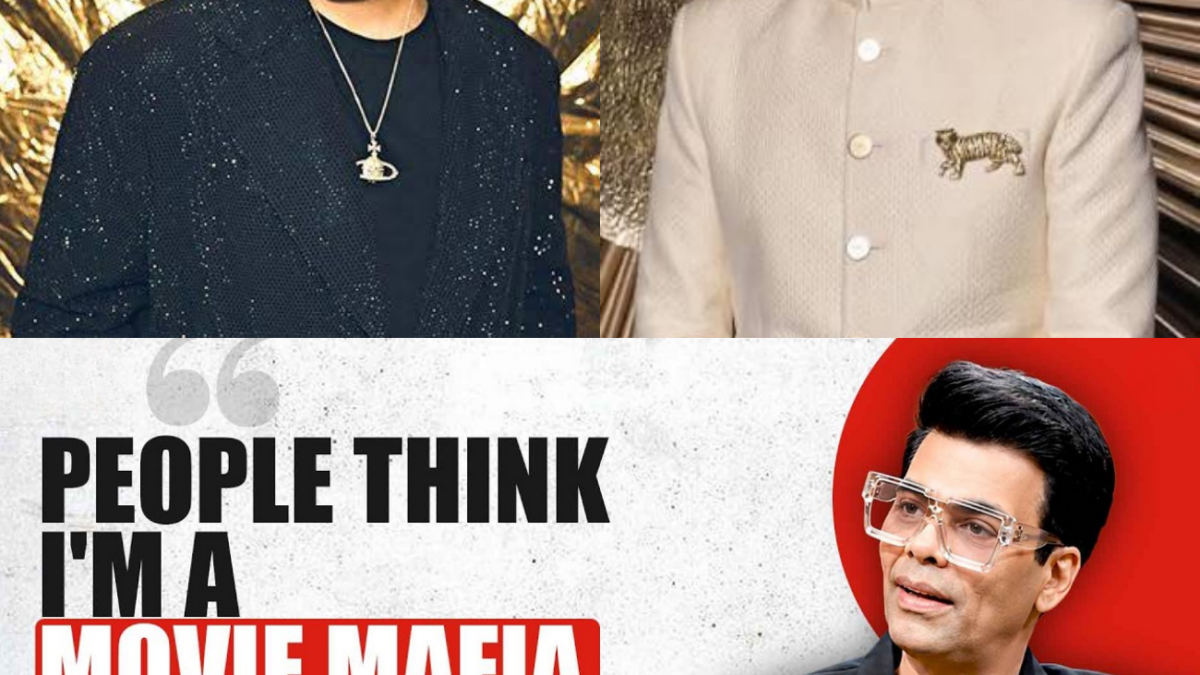
The Mask of the Kingmaker
For over a quarter of a century, Karan Johar has occupied a singular, almost mythic pedestal in Indian entertainment. To his loyal admirers, he is the undisputed master of grand emotion, larger-than-life spectacle, and cultural zeitgeist. To his legions of virulent detractors, he represents something far darker: the shadowy puppeteer pulling strings from behind golden gates, deciding who ascends to the cinematic heavens and who gets banished into obscurity. Yet beneath the flamboyant designer jackets, sharp wit, and intoxicating glamour, a profoundly bruised artist is finally stepping out from behind the fortress of his public persona, addressing the toxic labels and relentless malice that have trailed his footsteps for decades.
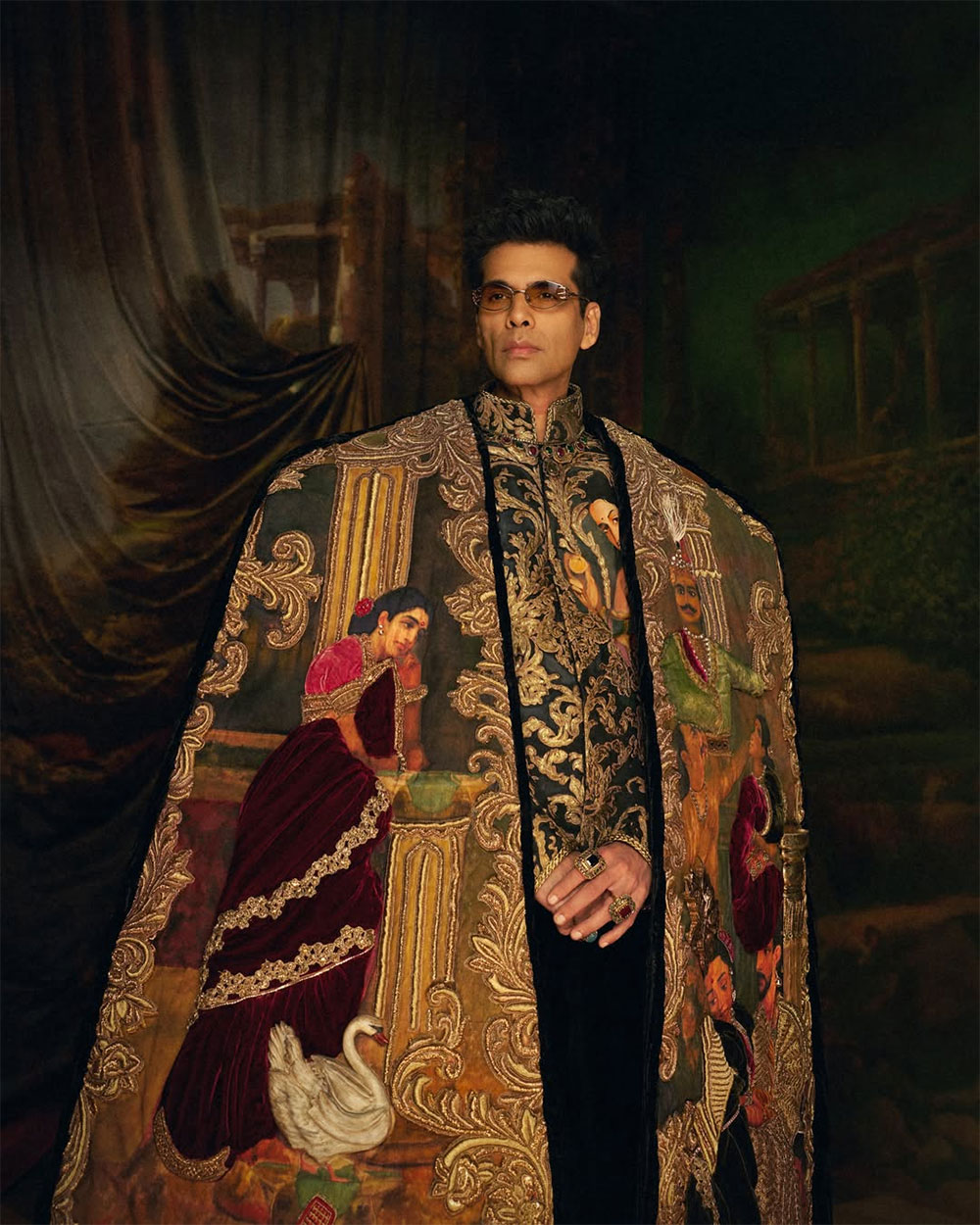
Denied the Right to Artistic Depth
One of the most agonizing burdens the filmmaker has carried across his illustrious career is the total refusal of highbrow critics and intellectual circles to grant him genuine artistic legitimacy. In his candid reflections, Johar openly called out the subconscious prejudice that infects film discourse whenever his name appears on the marquee. When praise comes his way, it is consistently offered in reluctant murmurs, accompanied by sneering asterisks. Film reviewers, he pointed out, actively restrain themselves from admiring his work, operating under the biased presumption that a director who celebrates high society cannot possibly craft stories with psychological nuance, emotional gravitas, or layered complexity.
“Can’t Rich People Suffer Heartbreak?”
The core prejudice weaponized against his cinematic catalog has always been its depiction of immense luxury—an aesthetic often mocked by commentators as superficial escapism dealing merely with pampered struggles. Addressing this long-standing criticism with blistering candor, Johar exposed the absurdity of equating material affluence with emotional invulnerability. Sitting inside a private jet, he pointed out, provides zero immunity against the agony of visceral heartbreak, personal tragedy, betrayal, or loneliness. He made it fiercely clear that he has ceased offering apologies or justifications for his creative world; as long as his core artistic integrity remains intact, the opinions of cynical gatekeepers no longer hold sway over his sanity.
The Monster Spawned by the Small Screen
Perhaps the most destructive dynamic of his public life has been the dangerous conflation between the person and the broadcast persona. The staggering, decade-spanning cultural influence of his explosive celebrity chat show inadvertently created an untouchable caricature that swallowed his genuine identity whole. Johar noted with quiet exasperation that whenever newcomers or casual acquaintances meet him for the first time in private, they are invariably stunned to find a completely different human being. The sensationalism, relentless digital gossip, and frivolous banter demanded by television algorithms created a warped avatar in the public consciousness—one that completely eclipsed the loyal, empathetic, and generous friend known to his inner circle.
The Venom of the ‘Movie Mafia’ Moniker
Nowhere has this warped digital perception caused more catastrophic damage than in the persistent weaponization of the “Movie Mafia” tag. Over recent turbulent years, internet mobs, speculative conspiracy theorists, and rival industry factions systematically transformed him into the ultimate villain of Hindi cinema, alleging that he runs a closed cartel dedicated to freezing out outsiders. Johar dismantled this sinister narrative, explaining that audiences simply allowed the superficial theatrics of a late-night talk show to define his entire moral character. Rather than contorting himself into a fake, grim intellectual to appease keyboard warriors, he chose to remain unapologetically himself, even if that authenticity fueled endless waves of internet vitriol.
The Great Betrayal: A Disappearing Broadcast
The public’s bizarre, love-hate obsession with his presence became glaringly obvious when a cryptic morning announcement hinted at the total cancellation of his flagship television series. Within minutes, social media ignited into absolute mayhem. The very commentators and online spaces that spent years demanding boycotts and mocking the format suddenly erupted in shock, despair, and widespread heartbreak, frantically demanding to know why their guilty pleasure had been taken away. It proved to be one of the most brilliant psychological marketing masterstrokes in modern broadcast history, exposing the profound hypocrisy of audiences who publicly bash celebrity gossip while obsessively consuming every morsel.
Terrified Idols: The Death of Raw Honesty
Turning his gaze toward the contemporary crop of screen stars, the veteran producer sounded a grim alarm regarding the alarming decline of authenticity across the entertainment landscape. In decades past, actors stepped onto soundstages fearless, charismatic, and armed with unpredictable humor and biting candor. Today, that golden era of unscripted spontaneity is thoroughly extinct. Stars now arrive trapped inside a hyper-controlled digital panopticon, terrified of offending micro-communities, sparking vicious online cancellations, or alienating corporate brand endorsements. The modern celebrity is thoroughly caged, operating under paranoid public relations guidelines designed to purge all original personality in favor of bland, vanilla neutrality.
Adapting to the Age of Paranoia
Witnessing this chilling transformation firsthand on set, Johar was forced to execute a major creative overhaul of his production formula. Realizing that asking provocative questions only triggered defensive scripts and terrified silence from modern guests, he intentionally pivoted away from incendiary, career-endangering controversies. The newer iterations of the format abandoned the pursuit of sensational tabloid scoops, replacing high-wire interrogations with interactive party games and lighthearted trivia designed to coax laughter out of hyper-guarded performers without throwing them into the social media meat grinder.
A Fortress Built on Unseen Loyalty
What remains largely invisible to the outside world, blinded by tabloid headlines, is the ironclad loyalty that defines his real-world relationships. In an industry notoriously famous for transactional betrayal and shallow alliances, Johar has built an inner circle that stands unwavering through life’s fiercest storms. Industry insiders who have worked alongside him repeatedly attest to a degree of warmth, unconditional personal support, and quiet generosity that completely defies the cold, calculating kingmaker image constructed by the press. The tragic paradox of his career remains that the millions who dissect his life through digital screens will likely never see the man behind the machine.
The Survival of a Showbiz Maverick
Despite the endless lawsuits, targeted social media attacks, political backlashes, and relentless character assassinations, the mogul shows zero intention of retreating into quiet retirement. He has developed an impenetrable emotional armor, recognizing that controversy is simply the inevitable rent one pays for remaining at the absolute peak of cultural relevance. His journey is a masterclass in psychological resilience within the ruthless arena of entertainment capitalism. By refusing to let external venom dictate his art or alter his spirit, he continues to dominate the narrative on his own unapologetic terms.
The Final, Unfiltered Reality
At its core, the saga of Karan Johar is a gripping reflection of our modern obsession with building cultural titans up only to systematically tear them apart. We demand intimacy and raw truth from our celebrities, yet we punish them with savage digital fury the instant they reveal genuine human flaws. In stepping forward to lay bare his personal vulnerabilities, his artistic frustrations, and his exhaustion with superficial labels, the industry’s most feared host has flipped the spotlight onto the audience itself. The throne remains his, the spectacle goes on, and whether his critics like it or not, his indelible imprint on modern culture is already permanently etched into stone.