STOP THE BLADE: The Shocking Truth Behind The Intimate Grooming Epidemic That Nobody Dares To Discuss
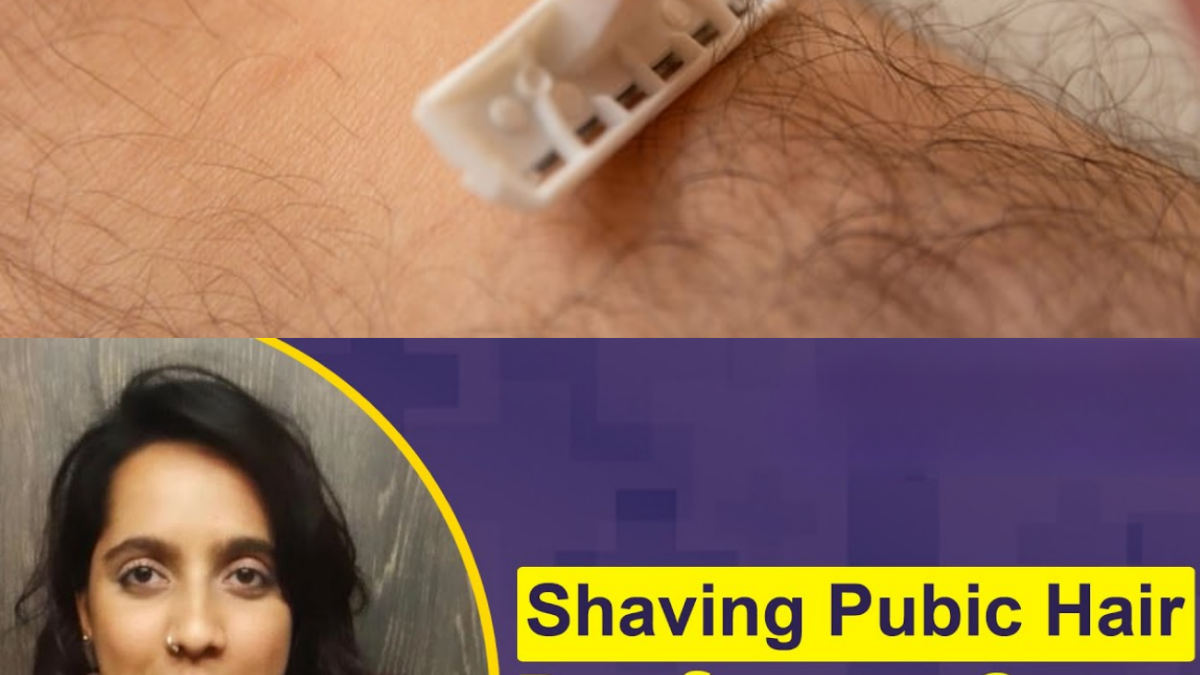
The Golden Illusion That Millions Blindly Follow
Every single day, countless individuals reach for their razors in the bathroom, convinced they are doing the right thing for hygiene, aesthetics, and modern desirability. Society has conditioned entire generations into believing that bare skin is the peak of elegance and personal cleanliness. Billions of dollars flow into specialized beauty products, sleek shaving blades, and high-end aesthetic clinics. Yet beneath this glossy lifestyle marketing lies a startling medical reality that rarely reaches mainstream television screens: stripping away what nature built to defend you could be the most dangerous grooming routine you perform each week.
The Biological Shield You Are Throwing Away
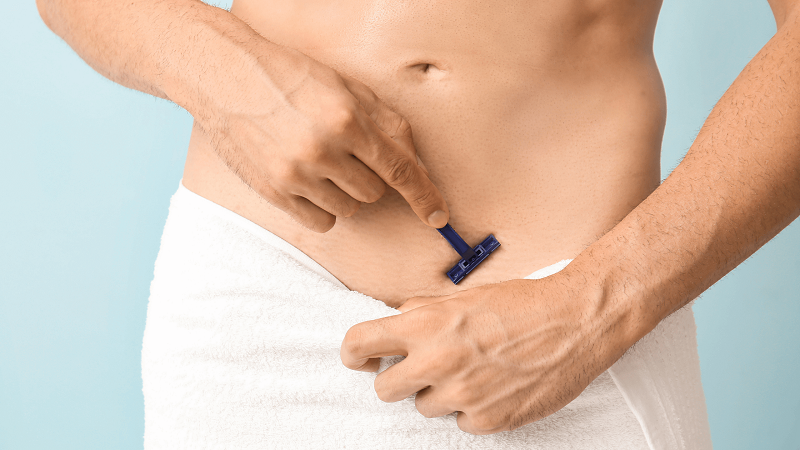
Far from being a useless remnant of evolution, natural hair in delicate personal areas performs critical physical and physiological duties. Think of it as an engineered shock absorber. During intimate encounters or high-intensity physical movement, friction quickly generates severe heat and micro-abrasions on ultra-tender tissue. The presence of hair serves as a natural cushion, significantly reducing surface wear and tear. When people eradicate this natural barrier down to bare skin, they actively strip away their first line of defense against direct skin-on-skin abrasions and friction-induced micro-tears.
The Microscopic Threat Lurking Behind The Razor
When friction meets damaged tissue, the consequences escalate beyond minor discomfort. Health advocates and medical educators point out that maintaining this natural layer acts as a mechanical barrier against pathogens and irritants. Micro-cuts produced by razor blades create invisible gateways for opportunistic bacteria and viral transmissions. By obsessively seeking complete hair removal, people inadvertently turn their most delicate tissue into an open playground for inflammation, stubborn folliculitis, and serious external infections that take weeks of painful treatment to cure.
The Toxic Aesthetic Stigma Under Fire
Why has society become so intensely obsessed with completely bare intimate zones? Sexual health activists and cultural critics are now calling out the disturbing origin of these modern expectations. The unspoken demand for adult bodies to appear entirely free of hair mirrors unsettling aesthetic standards that mimic prepubescent biology. Commercial industries, adult entertainment, and patriarchal pressures have normalized an impossible standard that convinces mature adults to despise their natural bodies. Experts are loudly advocating for people to reclaim their autonomy, challenge manufactured beauty ideals, and step away from self-inflicted harm.
The Hidden Agony of Ingrown Hairs and Repeated Trauma
For those who continue to shave routinely, the physical fallout is painfully familiar. The endless cycle of shaving as soon as tiny stubble emerges is a recipe for chronic skin disaster. When short, coarse hairs are severed at odd angles near skin level, they often curl backward, piercing through epidermal tissue to form excruciating ingrown bumps, pustules, and deep scarring. Shaving against the direction of hair growth might feel smooth for a few fleeting hours, but the aftermath of burning irritation and red lesions completely destroys the aesthetic appeal that individuals sought in the first place.
The Grave Perils of Chemical Creams and Scalding Wax
When razors cause problems, many turn in desperation to waxing salons or depilatory creams, only to walk into even greater traps. Hot wax applied to hyper-sensitive tissue can strip live dermal layers, causing surface burns and triggering traumatic hyperpigmentation. Meanwhile, heavy foaming soaps, synthetic conditioners, and aggressive moisturizers contain chemical compounds that must never make contact with sensitive internal membranes. If everyday soaps or chemical washes seep into delicate areas, the burning sensation is instantaneous, throwing internal pH balances into chaos and sparking widespread fungal or bacterial blooms.
The Harsh Lessons For Developing Bodies
Younger individuals and teenagers face the steepest learning curve and the highest risks of permanent damage. During adolescent development, tissues remain extremely tender, sensitive, and uniquely vulnerable to trauma. When young people rush to follow trends without understanding biological aftercare or sterile techniques, they frequently end up with painful infections, persistent swelling, and severe skin discoloration. Aesthetic decisions made out of peer pressure can turn into months of quiet physical distress and medical appointments that could easily have been avoided.
The Safer Path Forward: The Art of Trimming
Abandoning the blade does not mean personal grooming must be abandoned entirely. Health experts universally agree that if styling or management is desired, simple and conservative trimming is vastly superior to total eradication. Using clean, sanitized scissors to gently shorten length preserves the vital protective layer while avoiding all contact between sharp steel blades and raw skin. Specialty conditioning oils designed specifically for coarse hair can help soften texture and eliminate itchiness without disturbing internal delicate ecosystems or causing chemical reactions.
Vital Rules If You Still Choose To Shave
For those determined to maintain a shaved routine despite the biological warnings, strict damage control is mandatory. Never shave dry or against the natural grain of hair growth; always follow the direction in which the strands lay naturally. Ensure the area is thoroughly softened under running warm water before even touching a razor. Crucially, discard cheap disposable blades, keep cutting tools thoroughly disinfected before and after use, and strictly use external-only post-care solutions formulated specifically for intimate zones rather than heavy petroleum jellies or random body lotions.
Breaking The Silence And Reclaiming Body Autonomy
The ongoing conversation surrounding intimate grooming is no longer just about personal preference; it is a movement for bodily wellness, factual education, and freedom from toxic consumerism. Protecting your physical health should always outweigh unrealistic visual standards manufactured by marketing corporations. By understanding the biological engineering of our bodies, we can stop punishing our skin, end the cycle of razor burn and infection, and make informed choices rooted in science rather than insecurity.