THE HOME-COOKED ILLUSION: The Hidden Nutritional Crisis Silently Ravaging Modern Households

The Unquestioned Sacred Cow of Home Dining
For generations, modern society has operated under a single, ironclad domestic dogma: commercial restaurant food is dangerous, while food prepared within the family kitchen is pure, wholesome, and intrinsically healthy. Entire households dismiss chronic physical complaints under the comforting belief that because meals are prepared over their own stoves, their bodies remain protected from modern chronic illness. From childhood, individuals are conditioned to view home-cooked dishes as an infallible health sanctuary. Yet behind clinical consultation desks, progressive nutrition experts and metabolic specialists are sounding an unprecedented alarm. The deeply entrenched assumption that domestic cooking equals optimal wellness has quietly become one of the most misleading dietary myths of our time, blinding millions to the profound metabolic damage taking place right at their dinner tables.
The Alarming Paradox of the Ailing Elder
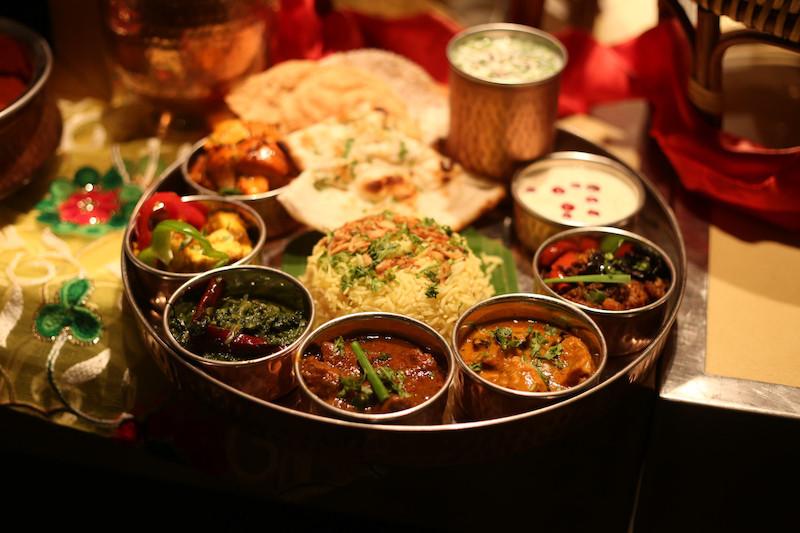
The devastating flaws in this traditional mindset become immediately obvious when examining demographic health statistics across aging populations. In household after household, older family members who have strictly consumed traditional domestic meals their entire lives are grappling with an unrelenting cascade of medical emergencies. Type 2 diabetes, chronic hypertension, thyroid dysfunction, severe lipid imbalances, and widespread knee replacement surgeries have become standard benchmarks of middle age and retirement. When confronted with these deteriorating health profiles, families routinely dismiss them as inevitable side effects of aging. However, clinical specialists point to a far more uncomfortable truth: lifelong consumption of nutritionally unbalanced, carbohydrate-heavy domestic meals has steadily worn down cellular metabolism, accelerating bodily wear long before old age officially arrives.
The Skinny-Fat Epidemic and Vanishing Muscle
A physical hallmark of modern metabolic decline is the widespread emergence of sarcopenic obesity—often described as the “skinny-fat” physique. Across urban and suburban households alike, millions of adults exhibit noticeably thin arms and legs paired with a prominent, protruding abdominal pouch. This distinct body shape signals severe internal muscle wasting accompanied by an accumulation of dangerous visceral fat wrapped around vital internal organs. Because overall body limbs appear slender, individuals frequently fall into the dangerous trap of believing they are physically frail or underweight, prompting them to consume even larger portions of dense domestic meals. In reality, their skeletal muscle mass is collapsing from severe nutritional neglect, leaving them functionally weak and profoundly vulnerable to metabolic collapse.
Drowning Nutrition in a Sea of Hot Oil
The true nutritional casualty in standard domestic kitchens often traces back to cooking techniques that thoroughly obliterate natural food quality. Consider traditional vegetables celebrated for their medicinal and antioxidant qualities. When brought into a home kitchen, these nutrient-dense plants are frequently subjected to exhaustive culinary processing: sliced, stuffed, and submerged in deep cooking oil for extensive periods, fried repeatedly, and simmered until their vibrant cellular matrix is reduced to an overcooked, oil-saturated pulp. What began as a remarkably wholesome produce item arrives on the dinner plate as a heavy caloric vehicle soaked in degraded fats. When standard family meals systematically prioritize rich, greasy textures over natural nutrient preservation, the protective value of whole produce is lost entirely.
The Misunderstood Myth of Pouring Liquid Love
Within traditional family structures, food functions as the primary emotional language of care, affection, and hospitality. Unfortunately, this emotional bond has become biologically weaponized through the casual overuse of rich cooking fats. In countless households, love is measured by how many generous ladles of melted butter or cooking oil are poured over steaming dishes. What family members perceive as affectionate nurturing is, in clinical reality, a massive influx of empty, concentrated calories that metabolic systems cannot process. This deep-seated emotional attachment makes objective dietary reform remarkably difficult, as attempting to restrict unnecessary culinary oils is frequently misinterpreted as an emotional rejection of traditional affection and familial warmth.
The Dangerous Blind Spot in Protein Math
A massive nutritional blind spot in conventional home cooking involves the widespread misunderstanding of basic macronutrient values. A classic domestic meal typically revolves around a substantial spread of flatbreads, overflowing bowls of white rice, savory vegetable curries, crisp fried crackers, and a solitary portion of lentil soup. Family members comfortably point to their bowl of lentils, declaring with complete confidence that their daily protein requirements have been met. In biochemical reality, standard lentils are overwhelmingly carbohydrate sources that happen to contain a minor secondary fraction of protein. To extract even a baseline quantity of daily amino acids from lentils alone, an individual would need to consume astronomical quantities, simultaneously flooding their bloodstream with an excessive surge of starch.
The False Security of Bitter Brews and Dry Snacks
In an attempt to adopt modern wellness practices, many individuals introduce superficial tweaks that offer zero actual metabolic protection. Millions take immense pride in switching to completely unsweetened black teas or bitter herbal brews, believing this single choice counterbalances an otherwise sedentary, starch-heavy lifestyle. Yet moments after drinking their bitter brew, those same individuals routinely reach into the pantry for commercial packaged biscuits, baked snacks, and savory fried bites. Packaged tea accompaniments—frequently marketed with deceptive health labels—are dense with refined flours, hidden sugars, and industrial vegetable oils. Sipping unsweetened tea while casually grazing on refined carbohydrates creates a false sense of dietary virtue that blinds people to the true volume of processed calories they consume daily.
The Vicious Trap of Modern Intermittent Fasting
As mainstream health trends penetrate public awareness, dietary strategies like intermittent fasting are increasingly embraced without fundamental nutritional understanding. Countless individuals choose to skip morning nourishment entirely, operating under the mistaken belief that delaying their first meal buys them total dietary immunity. However, bypassing early nutrition often backfires dramatically. Depriving the body of balanced fuel during its peak physical hours frequently triggers intense spikes in stress hormones, leaving individuals irritable, fatigued, and overwhelmed by primal hunger later in the day. By the time evening arrives, their psychological willpower collapses, culminating in massive, uncontrolled late-night feasts composed of dense carbohydrates that sit entirely unburned during sleep.
Practical Meal Prep for the High-Speed Lifestyle
Reclaiming control over personal health does not require spending hours tethered to a hot stove or hiring expensive personal chefs. Modern working professionals are successfully mastering the art of strategic, high-speed meal preparation by leveraging practical kitchen shortcuts. Utilizing frozen peak-harvest vegetables, pre-cooked canned legumes, and versatile countertop convection appliances allows anyone to assemble balanced, nutrient-dense meals within fifteen minutes. Storing pre-marinated lean proteins, pre-cooked complex grains, and freshly chopped fiber sources in the refrigerator removes the exhausting mental friction of weeknight cooking, ensuring that nourishing meals are instantly accessible even after grueling workdays.
The Art of Navigating Restaurant Delivery

Complete metabolic optimization does not require an absolute ban on dining out or ordering food delivery. The modern dining landscape offers unprecedented flexibility for those who know how to navigate digital menus strategically. Instead of gravitating toward heavy, cheese-laden pastas or deep-fried appetizers, discerning diners can easily assemble high-protein, fiber-rich banquets. Selecting fire-roasted lean skewers, vibrant vegetable salads topped with clean legumes, and traditional whole-wheat flatbreads provides all the flavor of commercial cuisine without the hidden oceans of degraded cooking oil. Maintaining metabolic health is not about rigid social isolation; it is about developing the discernment to build a balanced plate regardless of where the food is sourced.
Decoupling Emotional Hospitality from Health Destruction
The path toward generational wellness demands an urgent, compassionate reimagining of how modern families celebrate and nurture one another. True affection should never be demonstrated through the casual distribution of refined sugar confections, heavy commercial chocolates, or oil-drenched snacks that steadily compromise cardiovascular longevity. True hospitality lies in offering foods that actively preserve physical strength, sustain sharp cognitive energy, and protect loved ones from chronic disease. By replacing blind culinary tradition with scientifically grounded nutritional awareness, families can honor their deep cultural heritage while ensuring their bodies remain resilient, energized, and built to thrive for decades to come.