The Sacrilege on Soundstage Six: How Manoj Bajpayee Dared to Humiliate Bollywood’s Ultimate God

The Mask of Reverence Pulled Aside
In the hierarchical kingdom of Hindi cinema, certain icons are treated not merely as actors, but as untouchable living deities. For generations of outsiders arriving in Mumbai with empty pockets and burning ambitions, the legendary Amitabh Bachchan represents the golden summit of Indian cinema—a presence so towering that even veteran filmmakers speak his name in hushed, reverent whispers. Custom dictates unconditional deference: newcomers drop to the floor to touch his feet, avoiding eye contact in public and offering scripted praise in interviews. Yet behind the soundproofed walls of high-stakes studio sets, the demands of raw artistic war occasionally force an actor to commit the unthinkable: shattering that sacred pedestal to pieces in front of a rolling camera.
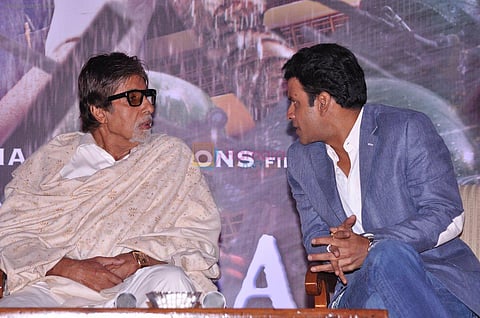
The Terrifying Dual Life of a Method Purist
In a sensational, deeply introspective tell-all that has reignited conversations across the film fraternity, powerhouse screen titan Manoj Bajpayee opened up about the psychological tightrope he was forced to walk alongside his childhood idol. Away from the glare of studio floodlights, Bajpayee is the first to admit that his hands tremble in the presence of legends like Bachchan and Naseeruddin Shah. He remains the humble village boy from Bihar who learned the fundamentals of dialogue delivery and dramatic restraint by worshipping their films from dusty cinema benches. Meeting them off-camera still triggers a visceral, humbling nervousness that compels him to bow down and touch their feet out of sheer, unadulterated respect.
When the Director Yells Action, Gods Must Fall
However, the instant the clapperboard snaps and the red recording beacon ignites, every trace of personal reverence is violently incinerated. Bajpayee exposed the ruthless, almost schizophrenic discipline required of a true master of the craft: the realization that worship has zero place within the frame. When sharing cinematic space with a legend, being overwhelmed by awe is an act of artistic cowardice that guarantees mediocre work. On the sets of Prakash Jha’s politically volatile drama Aarakshan, Bajpayee was thrust into an adversarial role that demanded nothing less than pure, calculated venom aimed straight at the megastar’s throat.
The Bitter Insults Hurled into an Idol’s Face
The drama that unfolded on that set remains one of the most intense psychological showdowns in modern Bollywood history. Tasked with playing an arrogant, corrupt educational entrepreneur locked in a fierce ideological war with Bachchan’s dignified patriarch, Bajpayee was required to sneer, spit vitriolic taunts, and deliver cutting insults directly into the face of the very man whose blessings he had sought minutes earlier. To pull off the performance with unyielding conviction, he had to completely suppress his lifelong hero worship, staring down the towering legend with cold, unblinking malice. The crew stood frozen in terrifying silence, watching two titans engage in an electric duel where one false beat could destroy the realism of the scene.
The Desperate Craving for Box Office Iron
Beneath this fearless bravado on set lay a deeply buried career wound that Bajpayee carried for decades: the elusive, agonizing chase for commercial box-office dominance. While modern film critics celebrate him as an immortal institution of realistic cinema, the veteran actor confessed to an intense, private craving for mainstream blockbuster numbers during the volatile early stages of his journey. It was never about vanity, sports cars, or superficial tabloid stardom; in the cutthroat economy of Mumbai’s studio system, box-office receipts are the only currency that buys an artist the power to say “no” to corrupt producers and dictate their own creative terms.
The Golden Streak That Evaporated Overnight
For a brief, dazzling window, it seemed as though the film gods had handed him that exact power. Breakthrough masterworks like Satya, Shool, and Kaun tore through the theatrical landscape, proving that an unconventional outsider with fierce intensity could simultaneously dominate box offices and redefine cinematic acting. But in an industry built on treacherous quicksand, commercial favor is a fleeting illusion. Almost as quickly as it arrived, mainstream momentum vanished. A string of commercial disappointments followed, high-profile studio gates slammed shut, and the intoxicating leverage he fought so hard to build was abruptly stripped away.
The Long Winter of Professional Starvation
What followed was an agonizing, protracted wilderness phase that would have broken lesser men. Unlike contemporary performers who have access to streaming platforms, digital series, and global video networks to keep their names alive, the actors of that era had nowhere to hide. The entertainment landscape was a rigid, merciless dichotomy: you were either headlining theatrical features or you were exiled to regional obscurity, with zero crossover permitted between mediums. Staring at an empty calendar and a silent phone, Bajpayee was forced into a grueling psychological battle against creeping irrelevance, anchored only by an unyielding, arrogant belief in his own craft.
The Gamble on the Rajneeti Lifeline
The turning point that pulled him back from the brink was Prakash Jha’s multi-starrer political epic Rajneeti. Walking onto a production crowded with glamorous A-list stars, Bajpayee knew with terrifying clarity that this was his definitive, final shot at redemption. He seized the morally complex character of Veerendra Pratap with feral hunger, transforming a supporting antagonist into the absolute heartbeat of the entire film. His razor-sharp performance hijacked the blockbuster, reminding studio executives and audiences alike that raw, authentic acting presence will always outshine manufactured glamour. The wilderness was officially over.
The New Battlefield: Navigating the Digital Renaissance
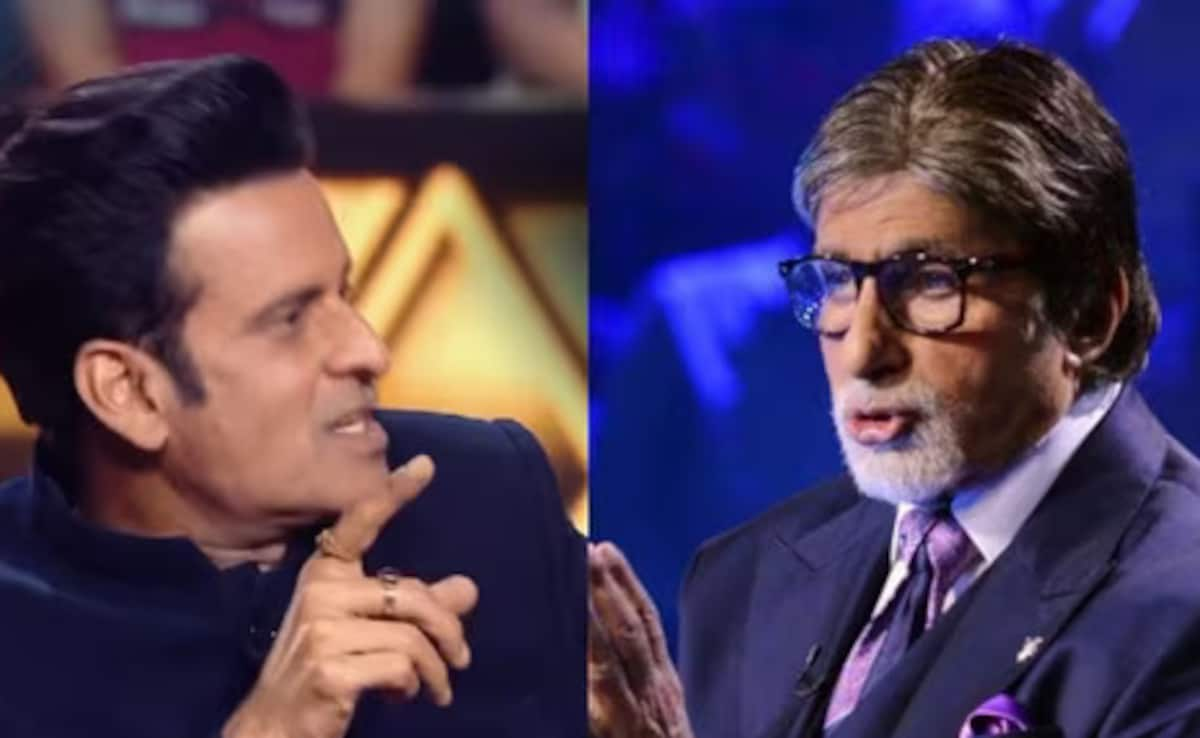
Reflecting on the stark contrast between his early survival battles and the modern entertainment ecosystem, the veteran icon highlighted the radical democratization of the craft today. In an era where streaming platforms, YouTube channels, and expansive digital ecosystems constantly demand fresh narratives, talented actors are no longer held hostage by the whims of a handful of theatrical distributors. Casting directors are actively hunting for authentic performers, creating viable avenues for outsiders to build sustainable careers without having to starve through prolonged industry blacklists.
An Unbowed Warrior in a Vanishing Pantheon
Today, standing unchallenged as the supreme torchbearer of Indian realistic acting, Manoj Bajpayee’s confessions serve as a sobering, essential masterclass for an industry increasingly obsessed with synthetic stardom. His journey proves that true cinematic greatness is not manufactured through public relations machinery or polite deferential posturing. It is forged in the fiery crucible of long silences, unyielding self-belief, and the terrifying courage to stare into the eyes of living gods and tear them down for the sake of the art. When the history of Indian cinema is written, it will not celebrate the actors who played it safe; it will remember the warriors who dared to bleed on the stage.